
Hyperbaric Education
Build hyperbaric expertise before your program needs it.
Prepare clinicians for the knowledge, safety mindset, and operational confidence hyperbaric care demands—whether you are entering the specialty or building a more resilient program.
Education can support CHT and CHRN pathways; final eligibility is determined by the credentialing organization.
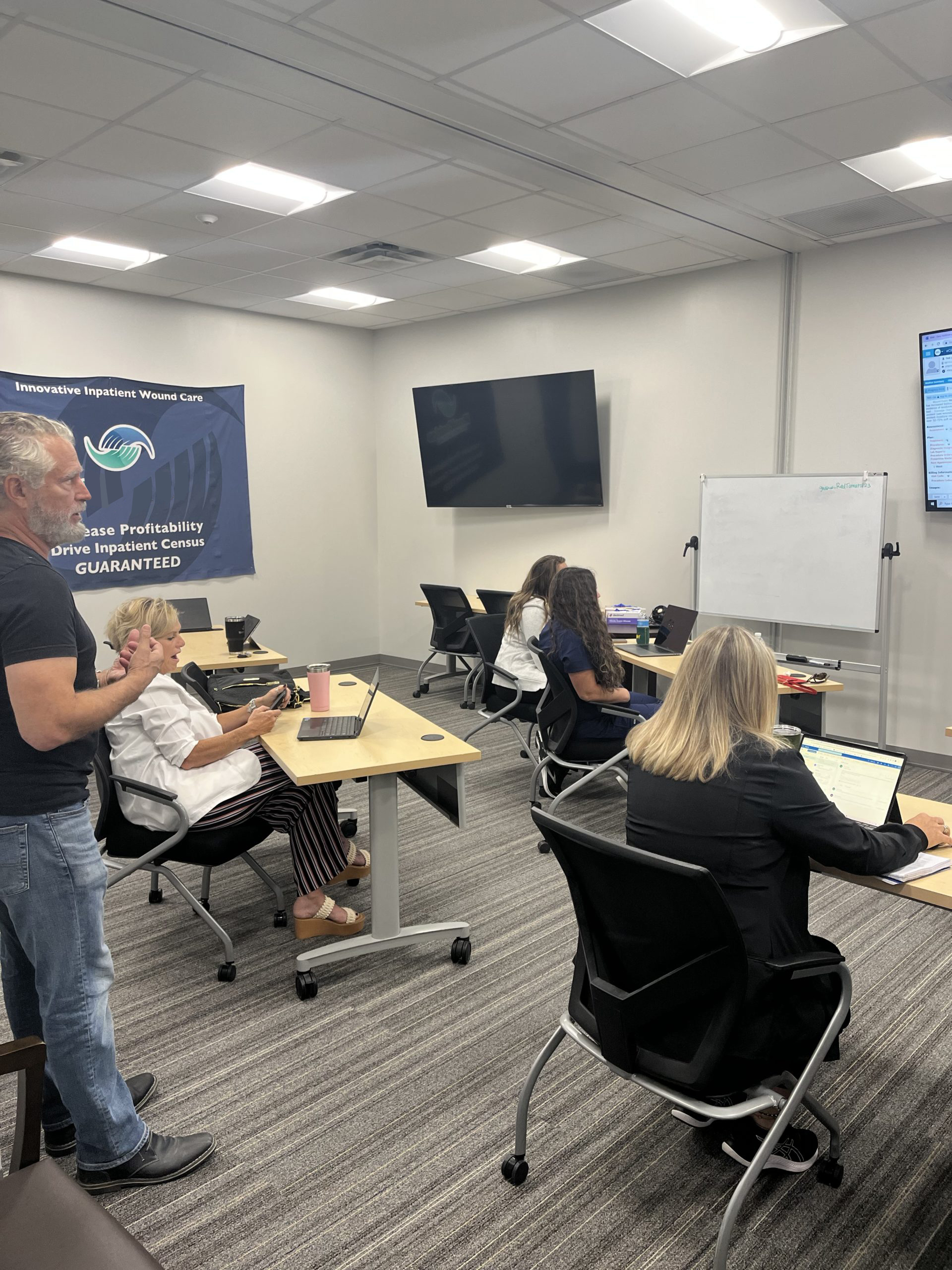
The knowledge behind safe, capable hyperbaric care.
Hyperbaric education should do more than explain the chamber. It should help clinicians recognize why protocols matter, how to manage the patient experience, and when clinical and operational decisions require escalation.
Core Science
Understand hyperbaric physiology, exposure principles, and clinical mechanisms.
Patient Management
Build confidence in assessment, monitoring, and patient-centered care.
Chamber Operations
Learn the fundamentals of systems, workflow, and practical equipment awareness.
Safety and Emergencies
Understand the importance of safety protocols, contraindications, and emergency readiness.
Program Context
Connect clinical education to the team, workflow, and leadership needs of active programs.
Not every hyperbaric learner has the same next step.
Choose the route that matches your role, your current level of experience, and whether you are preparing yourself or building a more capable team.
Enter Hyperbaric Medicine With a Foundation
Build the introductory knowledge needed to understand hyperbaric care, operations, and safety before you take on more responsibility.
Best for: Clinicians who are new to hyperbaric medicine or preparing for a role transition.
The UHMS Path for MD/DO and NP/PA
Complete the UHMS-approved 40-hour introductory course in hyperbaric medicine, live online, with CME/CNE. Completing it does not by itself credential you; your facility sets its own credentialing.
Best for: Physicians (MD/DO), nurse practitioners, and physician assistants working in or moving into hyperbaric medicine.
Explore CHT or CHRN Pathways
Understand how introductory education may fit into a broader certification pathway that can include licensure, clinical experience, and preceptorship requirements.
Best for: Eligible professionals preparing to map a future CHT or CHRN pathway.
Build Depth Across Your Program
Move beyond one indispensable person and create more reliable clinical coverage, shared knowledge, and operational resilience.
Best for: Program leaders, directors, educators, and organizations expanding capacity.
One trained person is not a coverage plan.
When specialized knowledge lives with one or two people, PTO, turnover, and unexpected absences become operational risk. Build a wider foundation of trained clinicians so your program has more coverage, more confidence, and more resilience.
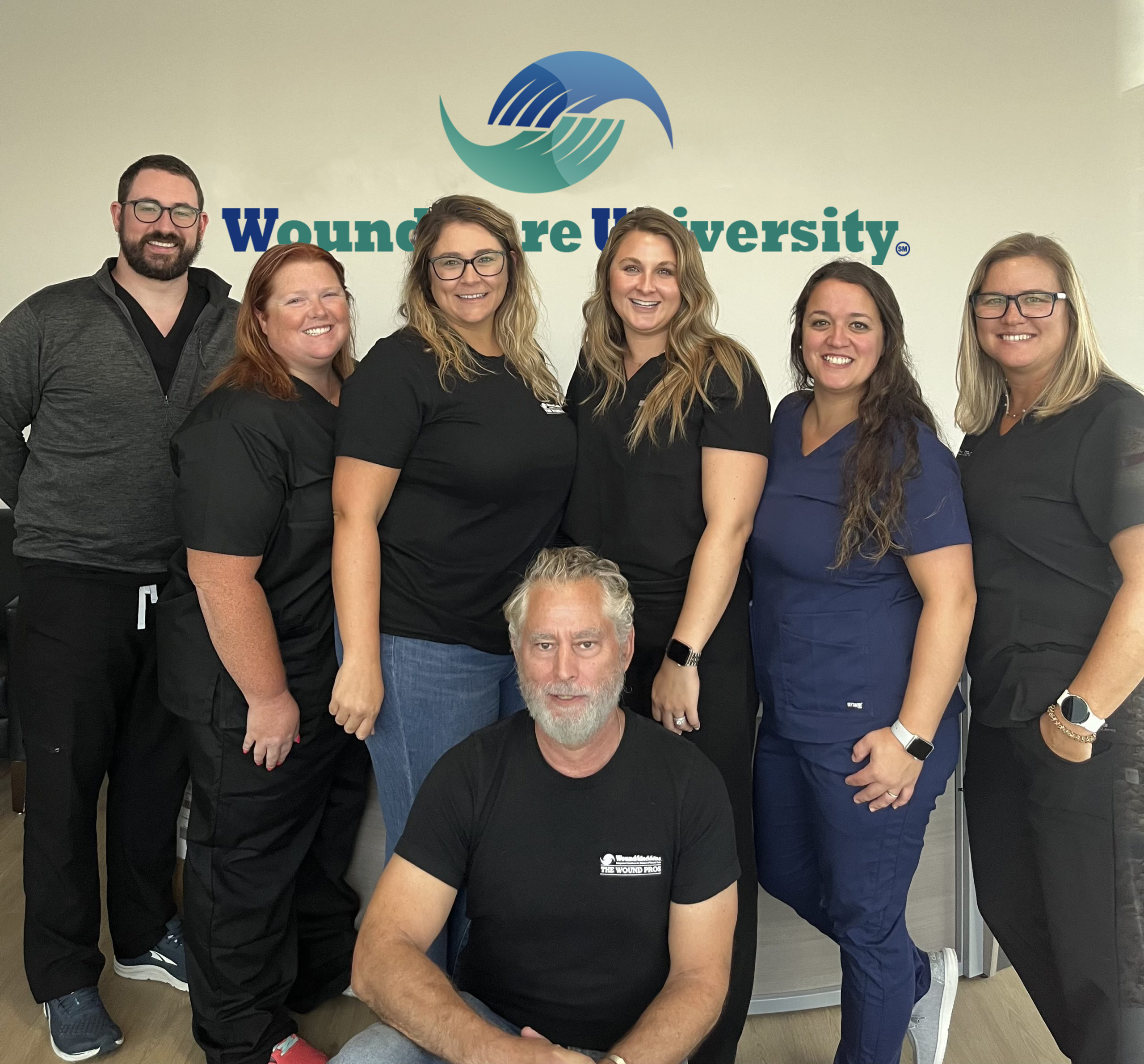
Give your program more than a one-person safety net.
Flexible education can help program leaders develop role-relevant knowledge across staff without treating education like a week-long staffing emergency.
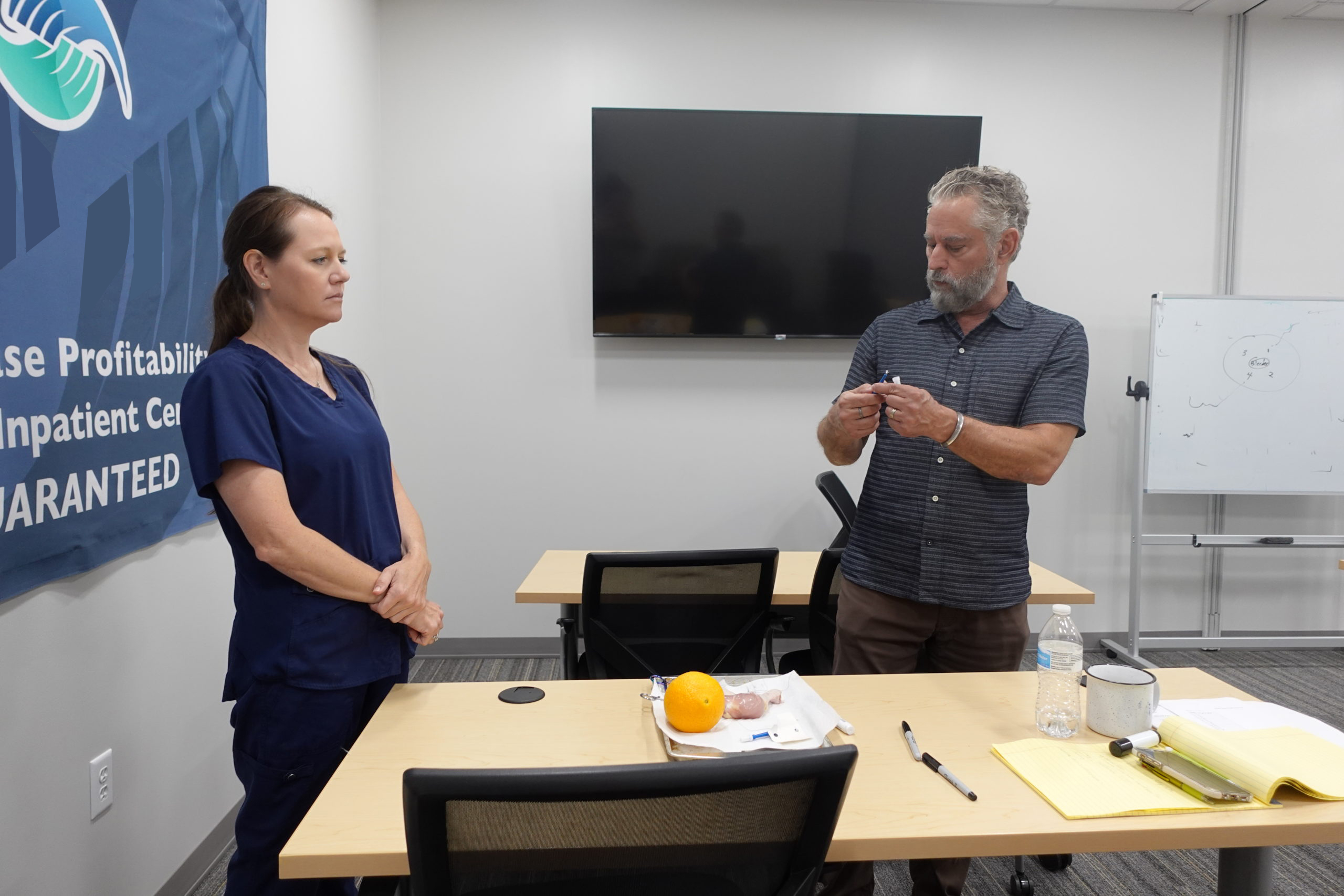
Talk with an education specialist.
Whether you are choosing a course, mapping a credential pathway, or building education for a team, we can help you identify the right place to start.