
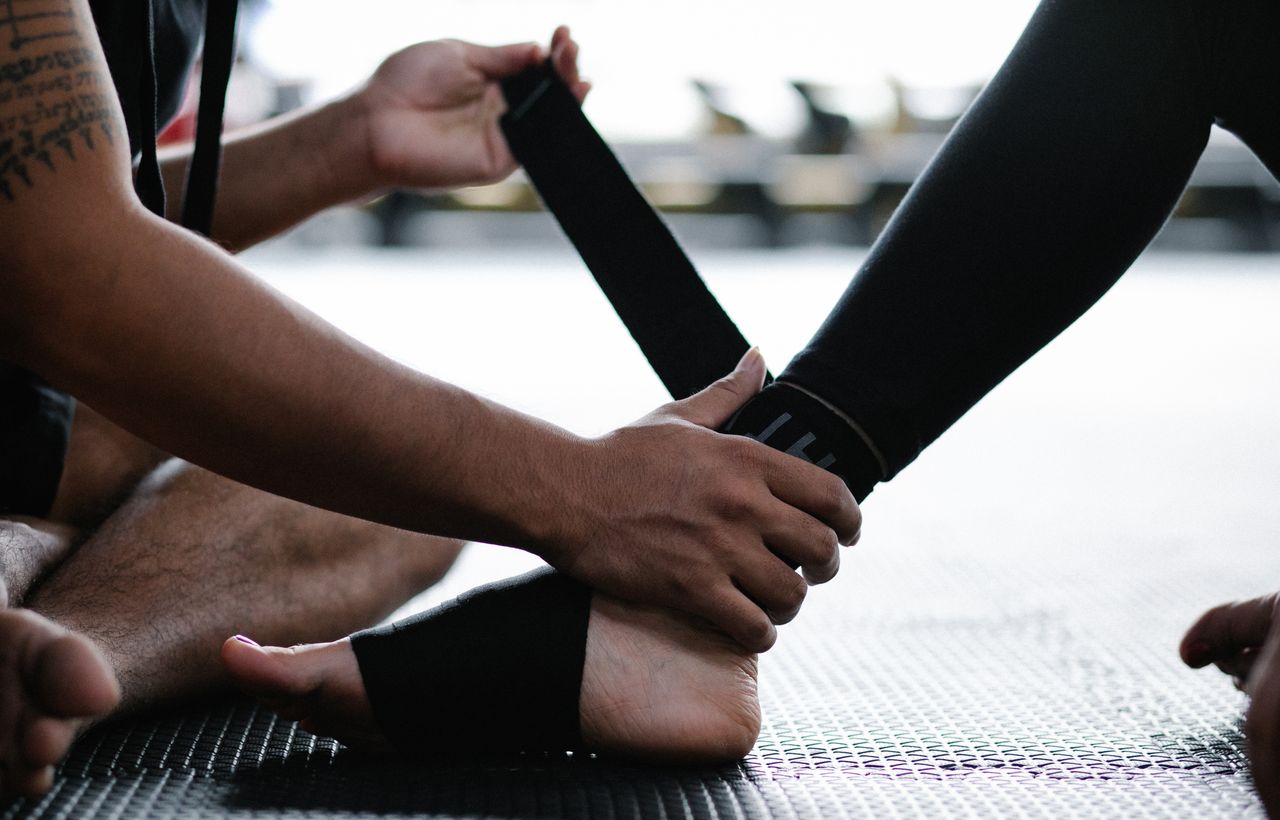
Lower leg ulcers can be painful and slow to heal, but the right care—and following your plan—can make all the difference.
Compression is treatment. Compliance is the key to healing.
Compression reduces swelling, improves circulation, and supports healing.
Why compression matters
- Reduces swelling
- Improves blood flow back to the heart
- Decreases drainage
- Supports faster healing
- Lowers risk of wound recurrence
Why swelling slows healing
Extra fluid builds up in the tissues, making it harder for oxygen and nutrients to reach the wound and waste to leave the area.
Uncontrolled swelling can lead to:
- More pain and heaviness
- Increased drainage
- Skin breakdown and irritation
- Delayed healing
- Higher risk of infection
- Recurring wounds
Compliance is critical
Wounds heal best when you follow your treatment plan every day.
Your plan may include:
- Wearing compression as directed
- Keeping appointments
- Changing dressings as instructed
- Elevating your legs
- Managing diabetes and other conditions
- Eating well and staying active
- Avoiding smoking
- Reporting changes early
Common challenges
It’s normal to have concerns about compression. Let your care team know—there may be solutions!
- Too tight or uncomfortable
- Hard to put on
- Makes my leg hot
- Doesn’t look the way I like
Don’t stop compression without talking to your provider. We’re here to help you find what works best for you.
Call your care team if you notice:
- Increased pain, swelling, or redness
- New odor or more drainage
- Drainage leaking through the dressing
- Fever or chills
- Wrap feels too tight or causes numbness
- Toes become blue, pale, cold, or painful
- Wound gets larger, deeper, or looks worse
Early communication can prevent small problems from becoming serious complications.
After your wound heals
Compression often doesn’t stop when the wound closes. Ongoing compression helps prevent swelling and protects your skin from another ulcer.
Healing the wound is the first goal. Keeping it healed is the long-term goal.
Everyday steps that help healing
- Wear compression exactly as directed
- Elevate your legs when possible
- Avoid sitting or standing for long periods
- Keep dressings clean and dry
- Eat protein-rich foods to support healing
- Protect your legs and feet from injury
You are a key part of your healing
Ask questions. Share concerns. Stay consistent. Together, we can help you heal and stay healed.
Your care. Your plan. Your healing journey.